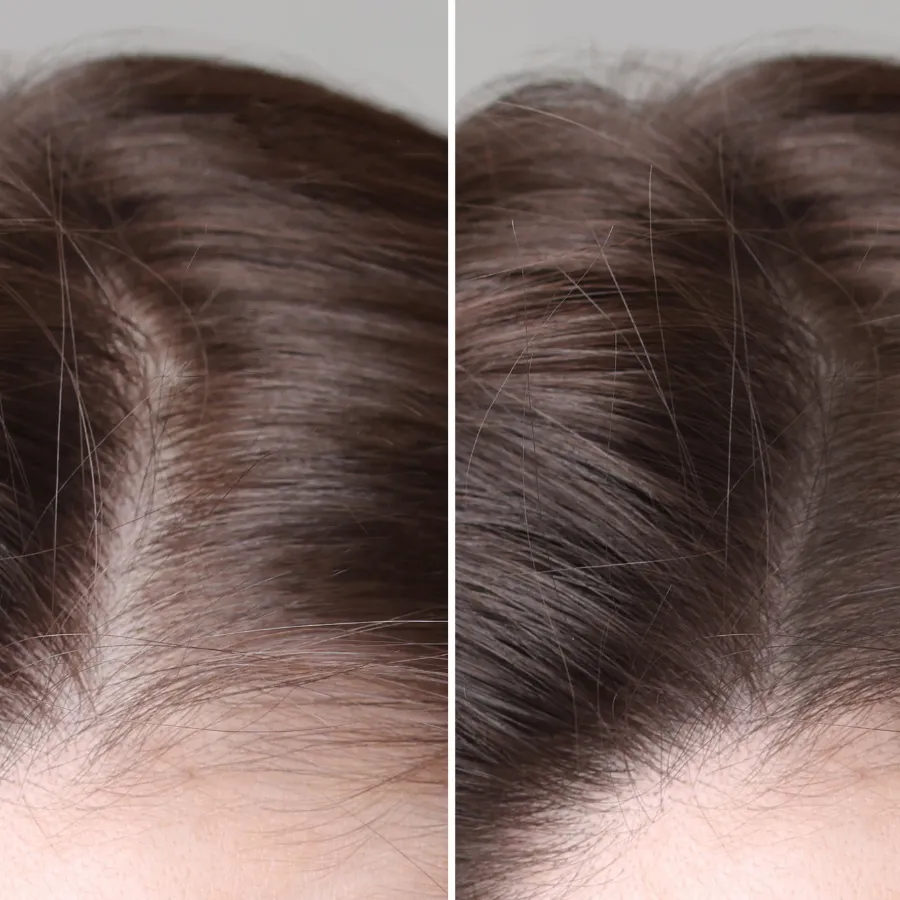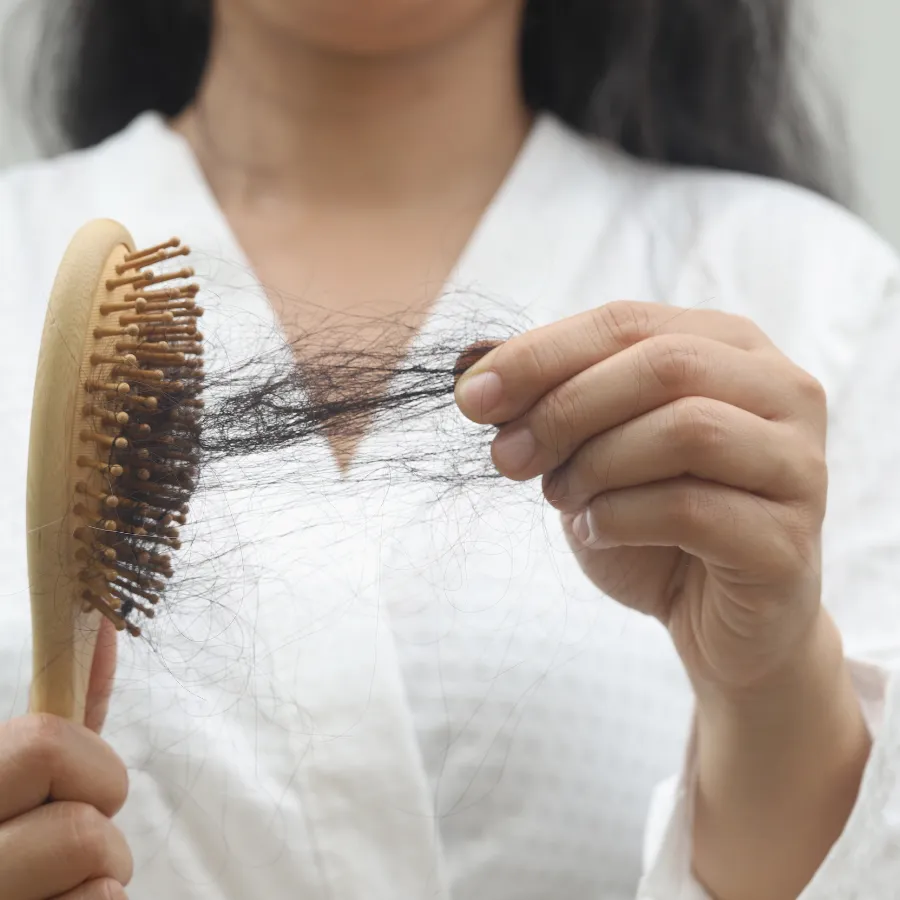
Introduction to Trichotillomania Trichotillomania is a distressing hair-loss condition in which an individual repeatedly pulls out their own hair. The condition most commonly affects the scalp but may also involve the eyebrows, eyelashes, beard, or other areas of body hair. Unlike many forms of hair loss that arise from disease or hormonal changes, trichotillomania is …

Introduction to Trichotillomania
Trichotillomania is a distressing hair-loss condition in which an individual repeatedly pulls out their own hair. The condition most commonly affects the scalp but may also involve the eyebrows, eyelashes, beard, or other areas of body hair.
Unlike many forms of hair loss that arise from disease or hormonal changes, trichotillomania is considered a manual form of traumatic alopecia, meaning the hair loss occurs as a result of repeated pulling or twisting of the hair.
This behaviour is often linked to emotional tension, anxiety, stress, or unconscious habits. Many patients experience feelings of shame, guilt, low self-esteem, or isolation as a result of the condition, which makes compassionate clinical support essential.
Understanding trichotillomania is important not only for accurate diagnosis but also for guiding patients towards appropriate treatment and long-term support.
Professional Article by Consultant Trichologist Tracey Walker
This article was originally written by Consultant Trichologist Tracey Walker and published in Dermatological Nursing.
In the paper, Tracey explains the causes, diagnosis, and treatment approaches for trichotillomania from a clinical trichology perspective, providing insight into how hair specialists recognise and manage the condition.
📄 Reference: Dermatological Nursing – Trichotillomania (DN-153-28-31)
You can read the full professional article using the link below.
Summary of the Clinical Research
Trichotillomania (TTM) is characterised by a compulsive urge to pull out one’s own hair, resulting in noticeable hair loss. The term originates from the Greek words “trich” (hair), “tillo” (to pull), and “mania” (excessive urge).
The condition was first described as a medical syndrome by the French dermatologist François Henri Hallopeau in 1889.
Trichotillomania is estimated to affect around 2% of the population and is particularly common in children and adolescents. Before the age of six, it tends to occur slightly more frequently in boys, but after that age it becomes more common in girls and young women.
Recognising the Clinical Signs of TTM
Trichotillomania usually presents as patchy areas of hair loss where hairs are broken at different lengths. These areas are typically non-scarring and often appear irregular or asymmetrical.
In some cases, hair loss may become extensive. One recognised presentation is tonsure trichotillomania, where the hairline remains intact but hair is removed from the crown area.
Hair pulling most commonly affects the scalp, although patients may also pull hair from the eyebrows, eyelashes, beard, or other parts of the body.
Short regrowth is frequently visible because hair begins to grow back, but is pulled again once it becomes long enough to grasp.
Possible Causes and Psychological Triggers
The exact cause of trichotillomania is not always clear. Several contributing factors have been suggested, including:
- Emotional stress or anxiety
- Habitual behaviours similar to nail biting
- Psychological conditions such as obsessive-compulsive tendencies
- Hormonal changes during puberty
- Possible genetic or neurological influences
- Imbalances in neurotransmitters such as serotonin
In children, triggers may include school stress, sibling rivalry, or separation anxiety. In adults, the condition is often associated with more complex psychological factors that may require professional therapy.
Clinical Diagnosis and Differential Assessment
Diagnosing trichotillomania requires careful examination to rule out other causes of hair loss.
Conditions that may resemble trichotillomania include:
- Alopecia areata, an autoimmune condition causing round patches of hair loss
- Tinea capitis, a fungal infection of the scalp
- Traction alopecia, caused by tight hairstyles or repeated mechanical stress
A trichologist assesses the pattern of hair loss, examines broken hair shafts, and considers the patient’s behavioural history. In some cases, further investigations or referral to medical specialists may be necessary.
Evidence-Aware Treatment Approaches
Treatment depends largely on the patient’s age and the underlying causes of the behaviour.
Management for Young Children
Management may focus on behavioural redirection techniques such as:
- Encouraging alternative habits (for example, squeezing toys or stress balls)
- Monitoring behaviour through reward charts
- Addressing nutritional concerns if hair ingestion occurs
Management for Adolescents and Adults
Treatment often includes a combination of approaches:
- Cognitive Behavioural Therapy (CBT)
- Habit Reversal Training (HRT)
- Psychological counselling
- Medications such as selective serotonin reuptake inhibitors (SSRIs), when clinically appropriate
- Cosmetic camouflage methods to reduce anxiety related to visible hair loss
Prognosis and Long-Term Recovery
In younger children, trichotillomania often improves or resolves with minimal intervention.
However, when the condition continues into adolescence or adulthood, it may become more difficult to manage and can require longer-term behavioural or psychological support. Early diagnosis and intervention significantly improve outcomes.
Read the Full Professional Article
For a more detailed clinical explanation of trichotillomania and the trichologist’s role in diagnosis and management, you can read the complete article written by Tracey Walker.

Tracey Walker
With over 40 years of professional experience in hair and scalp health, clinical education, and expert witness work, Tracey Walker FIT brings a depth of knowledge that few practitioners can match. When seeking support for a hair or scalp condition, patients benefit from care grounded in long-standing clinical practice and professional integrity.