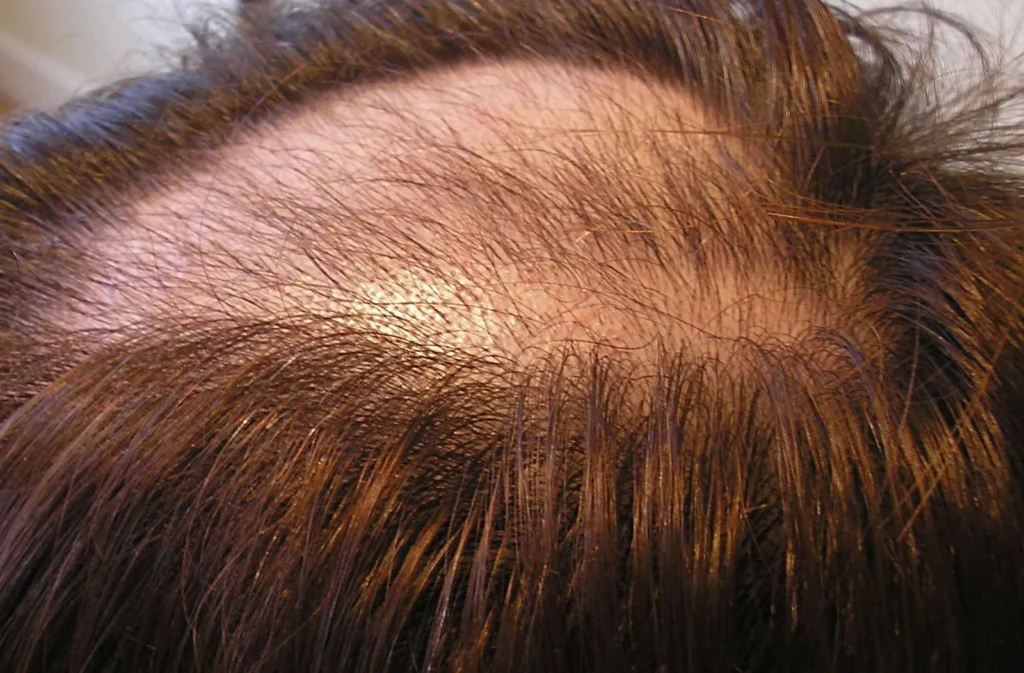
Traction alopecia is a form of hair loss caused by repetitive or prolonged mechanical tension on the hair follicles. Unlike genetic thinning, this condition is mechanical in origin and is most commonly associated with styling practices that place sustained stress on the hair over time.
At The Hair & Scalp Clinic, we provide an established clinical environment to assess the extent of follicular stress and determine whether recovery is possible. Led by Tracey Walker FIT, a Fellow of the Institute of Trichologists, our clinic supports patients across Cambridgeshire with evidence-based management aimed at preventing permanent follicular damage and encouraging regrowth where follicles remain viable.
In the early stages, traction-related damage is often reversible. However, when excessive tension is applied repeatedly over many years, the follicles may become permanently scarred, leading to cicatricial (scarring) alopecia.
Common clinical features identified at our Huntingdon clinic include:
As a specialist trichology practice, we work closely with patients to identify the styling habits contributing to follicular stress. Traction alopecia is commonly associated with:
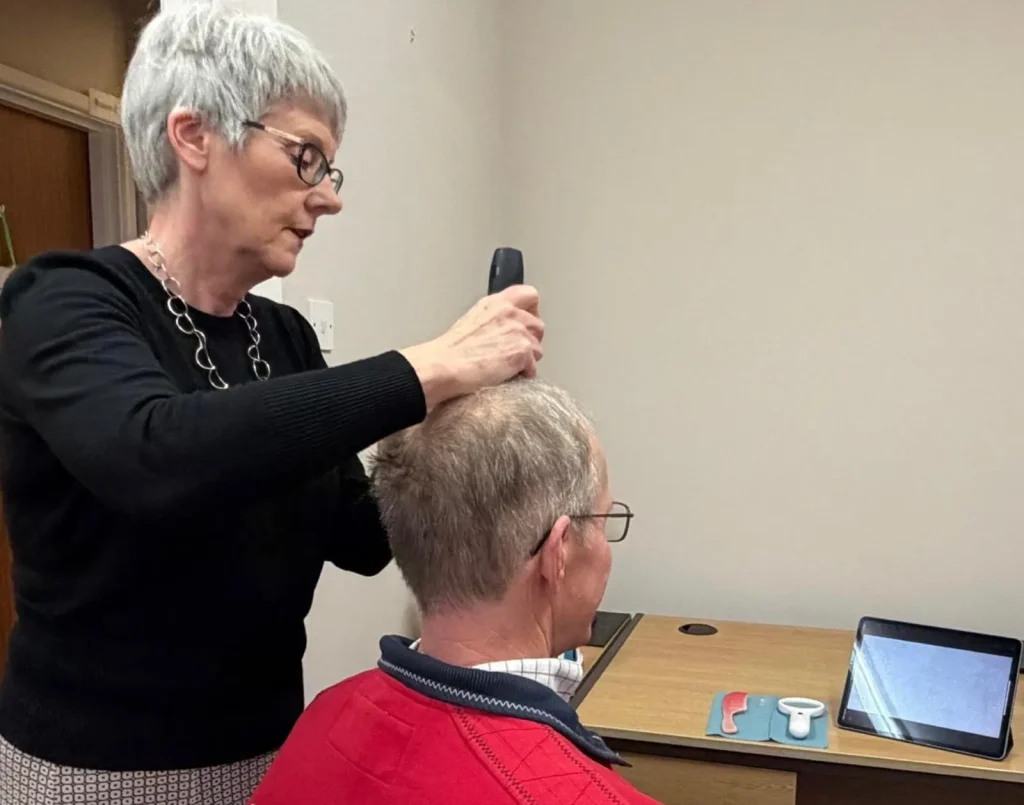
Because long-standing traction alopecia can progress to permanent scarring, early specialist assessment is essential. During a consultation at our established clinic, Tracey Walker uses digital trichoscopy to examine the scalp at high magnification.
This allows us to assess whether follicles remain active or whether scarring has begun. For patients across Cambridgeshire, we also conduct a detailed review of hair-care practices and styling history to ensure that any management plan is tailored to your specific needs.
The primary aim of clinical management is to halt progression and support follicular recovery wherever possible. Our approach may include:
If you are concerned that your styling routine may be affecting your hairline, early assessment is strongly advised. Contact our clinic at 83a High Street, Huntingdon, for a professional clinical evaluation by an experienced consultant trichologist.
Traction alopecia is hair loss caused by repeated pulling or tension on the hair follicles, most often from tight hairstyles or heavy extensions. It is a preventable condition when identified early.
In many cases, yes. If follicles remain active, removing the source of tension and following a clinical management plan can allow regrowth. Where scarring has occurred, regrowth may be limited.
Regrowth depends on how long the follicles have been exposed to tension. Early intervention significantly improves recovery potential, which we assess clinically at our Cambridgeshire clinic.
Management begins with eliminating mechanical tension. Clinical support then focuses on scalp recovery and follicular support to encourage return to a healthy growth cycle.
Traction alopecia is not permanent unless scarring has replaced the follicle. A physical examination using trichoscopy is required to determine reversibility.
Copyright © 2026 The Hair & Scalp Clinic | Developed By