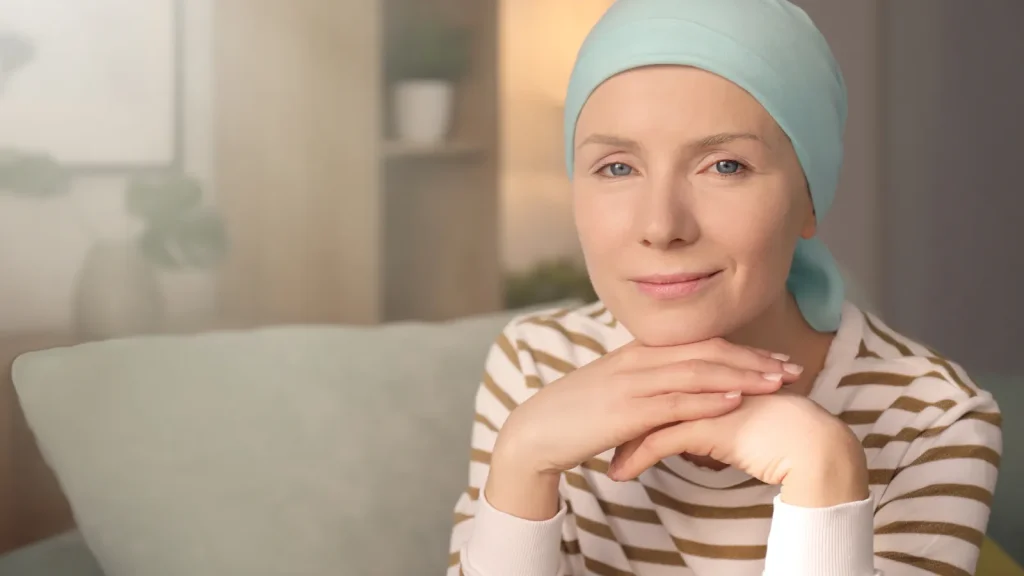
Recovering from cancer treatment is a process that involves both physical and emotional adjustment. For many individuals, changes to the hair and scalp form a visible part of that journey. Hair loss following chemotherapy (clinically referred to as anagen effluvium) is expected; however, the pattern and quality of hair return can vary significantly between individuals.
The Hair & Scalp Clinic provides an established, empathetic, and clinical environment to support patients during the post-chemotherapy recovery phase. Led by Tracey Walker FIT, a Fellow of the Institute of Trichologists, our clinic offers professional guidance for patients across Cambridgeshire who require reassurance, monitoring, and specialist scalp care during hair recovery.
Following the completion of chemotherapy, hair follicles typically begin to re-enter the growth cycle naturally. Early regrowth may appear fine, sparse, or fragile, and the scalp itself may remain sensitive for some time.
As a clinical trichology practice, our role is to monitor scalp and follicular health during this period. Maintaining a calm, balanced scalp environment is essential while the hair cycle re-establishes itself. We assess for factors that may interfere with recovery, such as inflammation, dryness, or underlying nutritional imbalance.
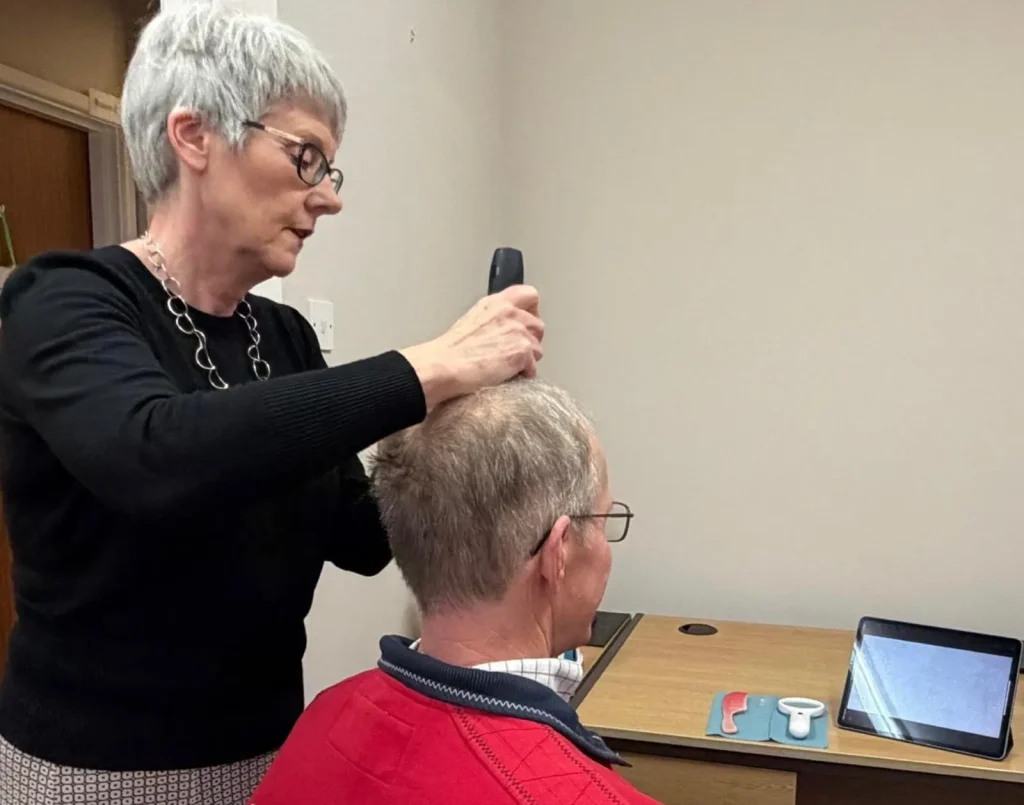
Post-chemotherapy hair recovery requires a cautious and informed clinical approach. During a consultation at our Huntingdon clinic, Tracey Walker uses digital trichoscopy to assess the scalp and follicles at high magnification.
This allows us to:
Tracey’s professional experience, including her previous voluntary work with HeadStrong (Breast Cancer Care), ensures that consultations are conducted with both clinical accuracy and sensitivity to each individual’s experience. Tracey has also experienced chemotherapy and hair loss associated with cancer therefore has a deeper understanding of the physical and emotional effects this can have on patients.
While the body restores the hair cycle independently, specialist trichology support can help protect scalp health and reduce unnecessary disruption during recovery. Our clinical guidance may include:
We do not offer curative treatments for hair regrowth. Our role is to provide informed, evidence-aware support while natural recovery takes place.
If you are navigating post-chemotherapy hair changes and would value professional reassurance and monitoring, we welcome you to our clinic at 83a High Street, Huntingdon. We provide a clinical, supportive service for individuals seeking an experienced trichologist in Cambridgeshire.
Chemotherapy affects rapidly dividing cells, including hair follicles. This results in hair shedding during the anagen (growth) phase. The follicles are not destroyed and usually resume activity after treatment ends.
Supporting scalp comfort, maintaining gentle hair care practices, and addressing nutritional imbalances can help reduce unnecessary stress on the recovering follicles.
No. Hair regrowth following chemotherapy occurs naturally over time. Our role is to provide clinical guidance and monitoring to support scalp health during recovery.
Temporary changes in texture or colour are common during early recovery. Hair often continues to change over several growth cycles as follicular function stabilises.
This depends on scalp sensitivity, hair condition, and length. A clinical assessment and patch test are essential before any chemical processing is considered.
Copyright © 2026 The Hair & Scalp Clinic | Developed By