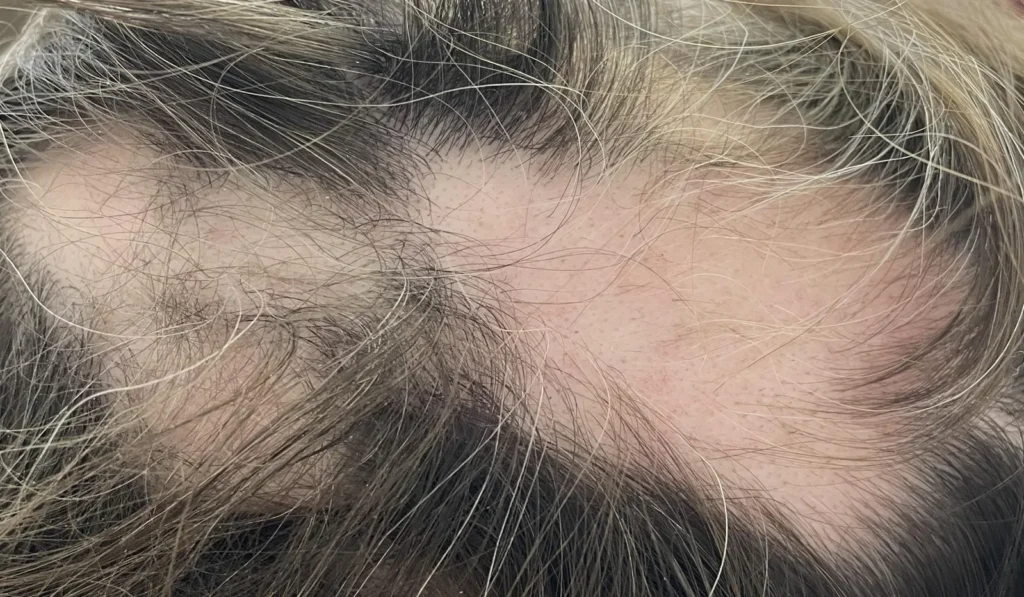
Alopecia areata is an autoimmune condition that results in sudden and often unpredictable patchy hair loss. Unlike gradual thinning, it is characterised by the appearance of one or more smooth, round, or oval patches of hair loss on the scalp or elsewhere on the body.
At The Hair & Scalp Clinic, we recognise that receiving a diagnosis of alopecia areata can be distressing. Led by Tracey Walker FIT, a Fellow of the Institute of Trichologists, our established practice provides a private and empathetic clinical environment for patients across Cambridgeshire to receive specialist guidance and a realistic prognosis.
Alopecia areata occurs when the immune system mistakenly targets the hair follicles, forcing them into a dormant state where visible hair growth temporarily ceases. Importantly, the follicles remain alive and capable of regrowth.
As a specialist trichology clinic based in Huntingdon, we assess the specific presentation of the condition, which may include:
The course of the condition varies significantly between individuals. Some experience spontaneous regrowth, while others notice shifting or expanding patches. This unpredictability makes early clinical assessment essential.
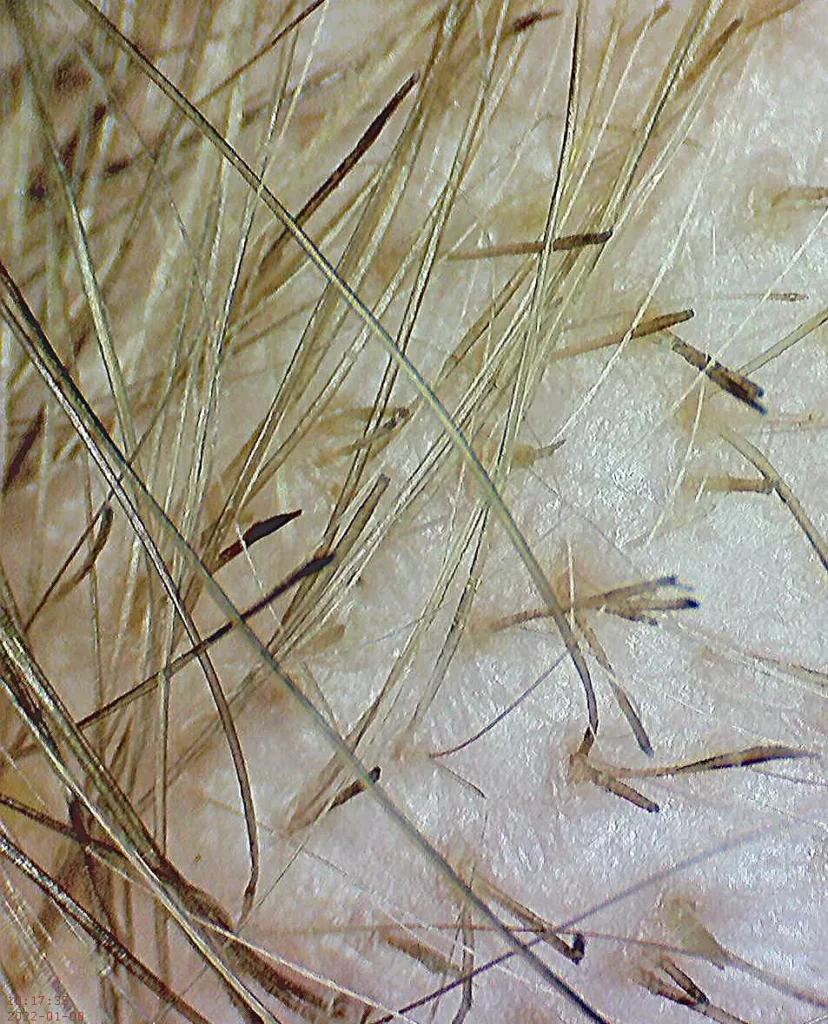
Accurate identification of alopecia areata requires clinical expertise. During consultations at our established Huntingdon clinic, Tracey Walker uses digital trichoscopy to examine affected areas at high magnification.
Key diagnostic features include:
For patients across Cambridgeshire, diagnosis also includes a detailed medical history review and discussion of potential triggers, such as acute emotional stress or associated autoimmune conditions.
Although there is currently no cure for the underlying autoimmune mechanism, many cases of alopecia areata can be managed effectively to support regrowth. Our evidence-based approach may include:
If you notice a sudden patch of hair loss, early clinical evaluation is important to monitor progression and guide management. Contact our clinic at 83a High Street, Huntingdon, for a professional clinical assessment by an experienced consultant trichologist.
In many cases, hair does regrow, often within a year. Initial regrowth may appear fine or white before returning to its natural colour. Because outcomes vary, clinical monitoring is recommended.
The condition is usually non-permanent because follicles are not destroyed. However, it is important to differentiate between scarring alopecia as this can result in permanent loss, which is why early diagnosis is important.
An increased prevalence of stressful events particularly major depression or generalized anxiety disorder can be associated with alopecia areata. Identifying and managing stressors forms part of clinical management.
Yes. Pattern baldness is a gradual genetic process, whereas alopecia areata is an acute autoimmune condition requiring different management.
Recommendations depend entirely on clinical findings. Following examination, we may advise topical support, nutritional guidance, or lifestyle adjustments based on your individual presentation.
Copyright © 2026 The Hair & Scalp Clinic | Developed By