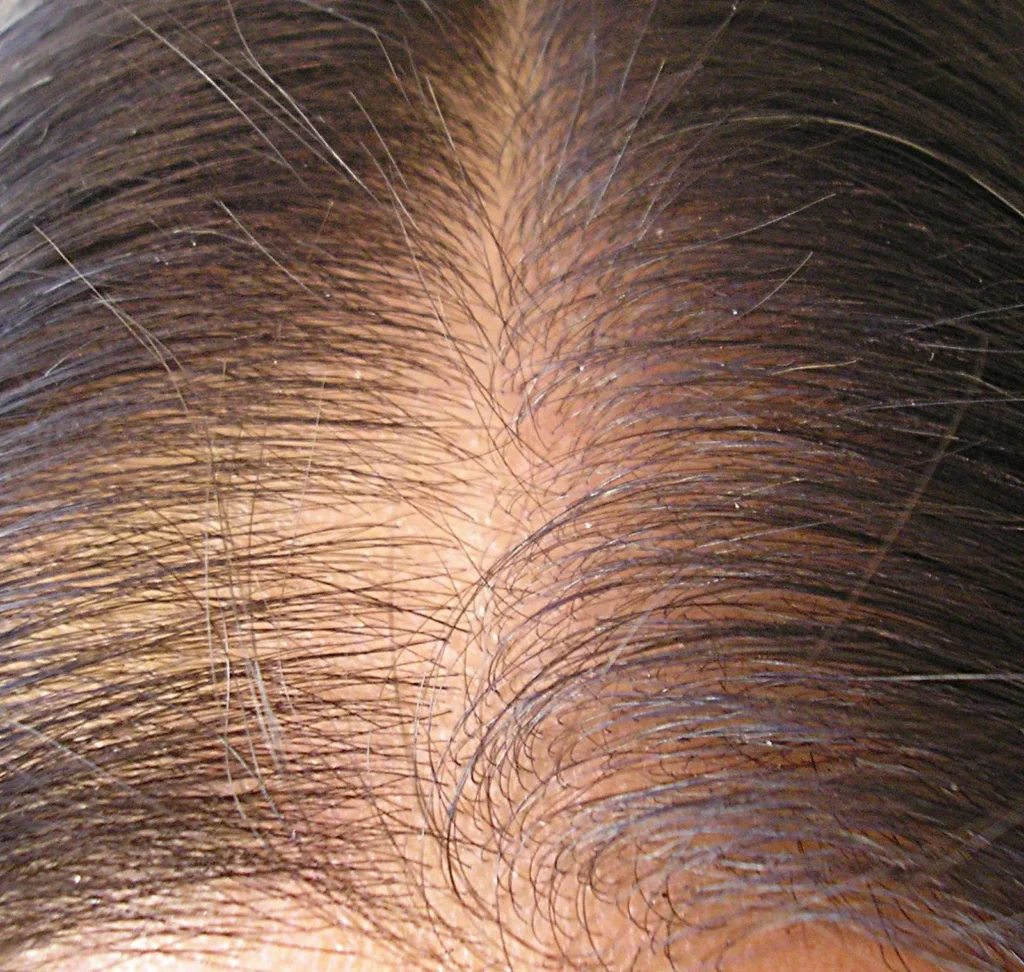
Because the onset is gradual, many women do not realise they are experiencing pattern loss until a significant amount of volume has already decreased. Common signs may include:
Texture changes: New hairs growing through appear finer, shorter, and more “wispy” than the rest of your hair.
While genetics play a primary role, the condition is often triggered or accelerated by hormonal shifts. It is a common misconception that this only affects women post-menopause; in reality, we frequently consult with women in their 20s and 30s.
Key life stages that can accelerate thinning include:
Time is the most critical factor when managing female pattern hair loss. The biological process involves “follicular miniaturisation,” where the follicle eventually shrinks to a point where it can no longer produce a viable hair shaft.
Early intervention allows a Consultant Trichologist to stabilise the loss and stimulate the follicles while they are still active. Once a follicle has reached a certain stage of inactivity, regrowth becomes significantly more challenging.
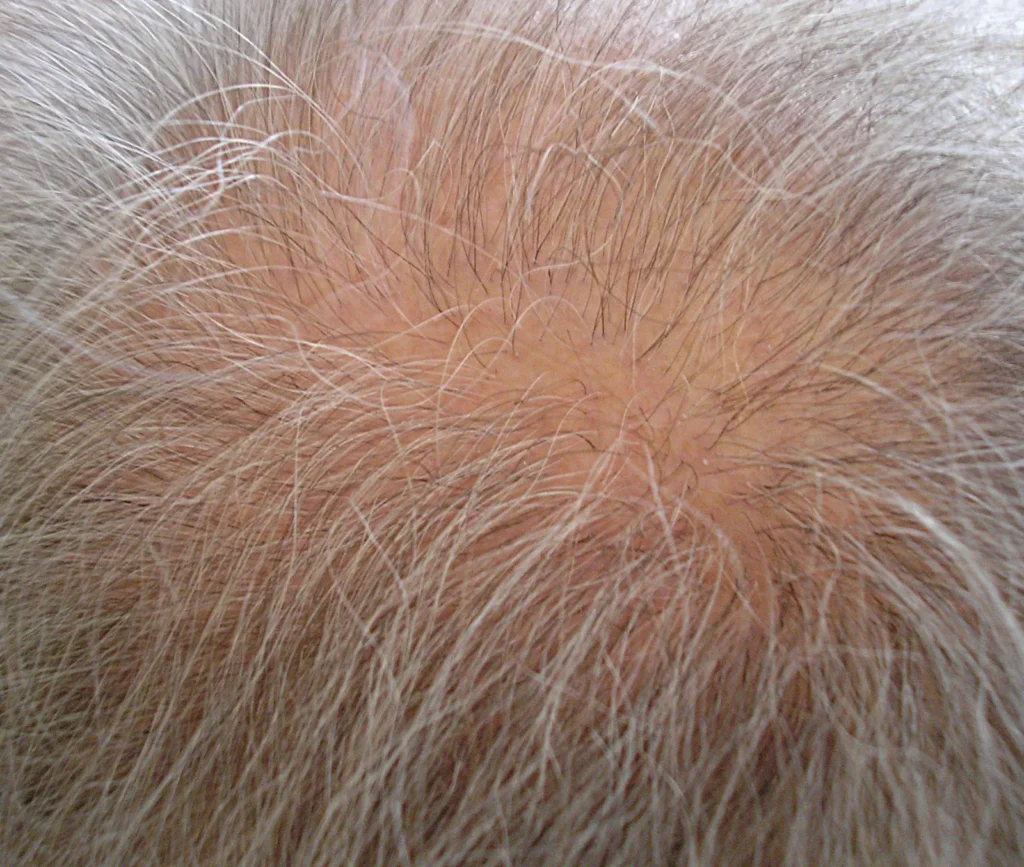
At our clinical hub, every assessment for female thinning begins with a deep dive into your medical history and a physical examination.
As a Fellow of the Institute of Trichologists (FIT), Tracey Walker uses clinical trichoscopy to examine your scalp at high magnification. This allows us to measure the exact degree of miniaturisation and differentiate pattern loss from other conditions like telogen effluvium or chronic thinning.
We focus on an evidence-based approach, which may include:
Do not wait until the thinning is severe. A professional diagnosis provides clarity and a clear pathway to restoring both your hair density and your confidence.
The Hair & Scalp Clinic
83a High Street, Huntingdon
Cambridgeshire, PE29 3DP
Phone: 07941 530473
Email: tracey@hairscalpclinic.co.uk

Follow Us
Copyright © 2026 The Hair & Scalp Clinic | Developed By